.avif)
What To Do In The First 24 Hours After Water Damage
If water is actively spreading through your home right now, the next few hours matter more than almost anything else in the entire restoration process. Here's exactly what to do, and what to avoid, before help arrives and in the day that follows.
Call us at (833) 901-2472 first, then work through the steps below while you wait. Don't spend 20 minutes reading before you make the call.
Hour By Hour: What Actually Matters
Stop the source and get safe
If you know where the water is coming from and can safely reach a shutoff valve, turn it off. If water is anywhere near outlets, cords, or your electrical panel, and you can reach your breaker without stepping through water, shut off power to that area. If you're not confident it's safe, don't risk it, wait for a professional.
Document, then remove what you can
Take photos and video of everything before you move anything, this is what your insurance claim will lean on later. Then move furniture, rugs, and valuables out of standing water if you can do it safely. Don't worry about mopping or drying yet, documentation and damage prevention come first.
Get professional extraction and drying started
This is the window that determines whether materials can be saved. Professional extraction removes water that a household vacuum can't touch, and industrial drying equipment reaches moisture trapped in subflooring and wall cavities that air drying never will.

What Not To Do
A few common instincts actually make things worse. Avoid these while you wait for help:
- Don't use a household or shop vacuum on standing water. It's not built for it, and it can create an electrical hazard.
- Don't ignore water that's spread out of sight. Water travels along subflooring and behind baseboards well beyond where it's visible.
- Don't wait to see if it dries on its own. By the time you can tell it hasn't, you may already be past the window where drying alone would have worked.
- Don't throw away damaged items before documenting them. Your insurance claim depends on photo evidence of the damage as it was found.
- Don't assume a small leak means a small problem. A slow leak that's been running for days can cause more hidden damage than a sudden burst that gets caught immediately.
.jpg)
What To Have Ready For Your Insurance Claim
- Photos and video of the damage before anything is moved or removed, from multiple angles.
- A timeline of when you noticed the water and when you took action, even a rough one.
- Receipts for any damaged items you can find, or at minimum a list with estimated values.
- Moisture readings and documentation from your restoration company, which we provide as part of every job and can share directly with your adjuster.
Our crews document everything with photos and moisture readings as standard practice, so you have what you need for your claim without having to think about it in the middle of an emergency. See our water damage restoration page for what to expect from our process.
After The First 24 Hours
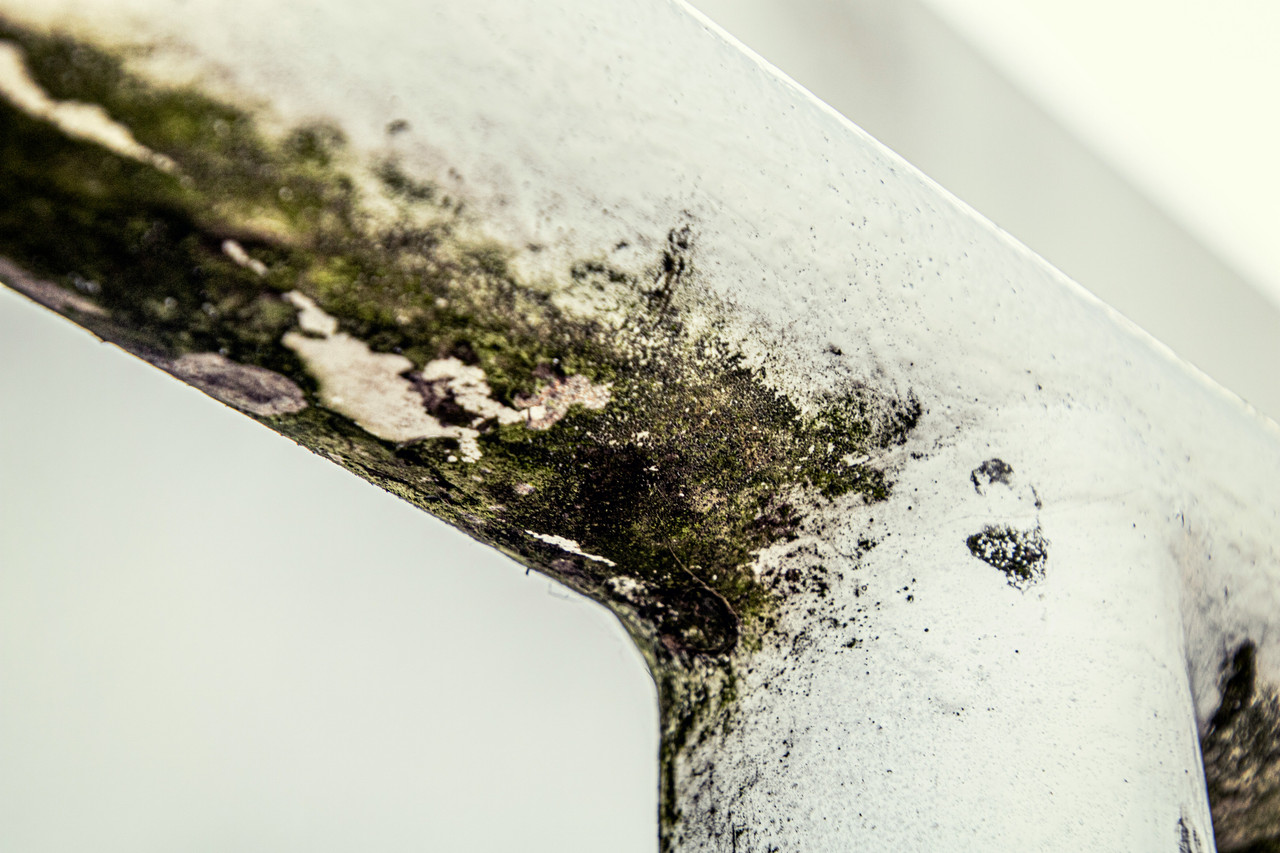
Once extraction and drying are underway, the next priority is making sure it's actually finished, not just visibly dry. Moisture can remain trapped in subflooring, insulation, and wall cavities well after the surface feels dry to the touch. If that moisture isn't fully resolved, you're back to the same risk we cover in how water damage turns into mold, usually within 24 to 48 hours of the original event.
Frequently Asked Questions
Should I turn off the electricity before dealing with water damage?
If water is near any outlets, cords, or electrical panels, and you can safely reach the breaker without stepping through water, shut off power to the affected area first. If you're unsure, wait for a professional rather than risk contact between water and electricity.
Can I use my own vacuum to remove water?
No, a standard household or shop vacuum isn't built for standing water and can create an electrical hazard. Water extraction requires equipment specifically designed for it.
How soon do I need to call a water damage company?
As soon as possible. The first 24 to 48 hours determine whether materials can be saved through drying alone or need to be removed and replaced, so faster response directly reduces both damage and cost.
Water Damage Happening Right Now? Call Us First.
We answer 24/7 and dispatch fast, because the next couple hours are what determine how much you can save.
📞 Call (833) 901-2472Prefer email? Reach us at zakarove535@gmail.com