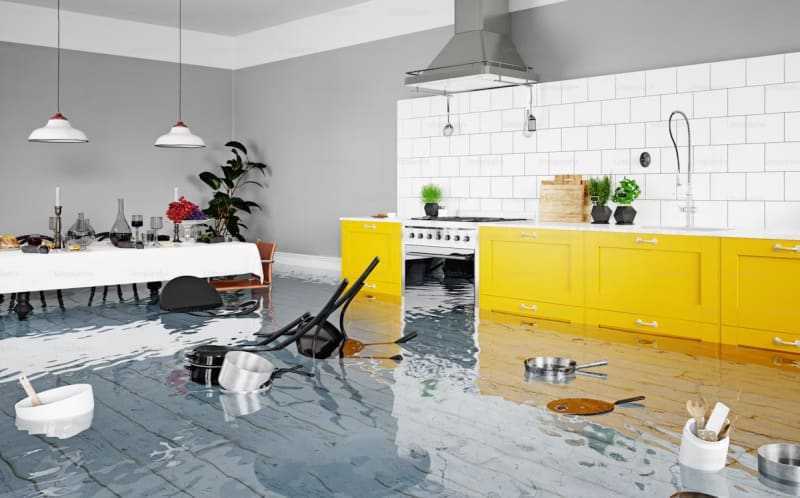
Water Damage vs Mold: How One Causes The Other
Homeowners often treat water damage and mold as two separate problems that need two separate calls. In reality, they're usually the same problem at two different stages. Water damage and mold are connected in a timeline that every homeowner should understand. Knowing how mold from water damage develops is the difference between catching an issue early and discovering a much bigger problem later. So, is water damage mold? Not exactly, but water damage is the primary cause of mold growth in homes.
They're Not Competing Problems, They're a Timeline
Think of water damage vs mold less as two categories and more as two points on the same clock. Water damage is what happens in the first hours and days after materials get wet. Mold is what happens if that moisture isn't fully removed before it has a chance to take hold. One doesn't replace the other, one leads into the other if the first problem isn't handled completely. Understanding the water damage and mold connection is essential for protecting your home.
That's why a company that only does one of the two services can leave you exposed. A water damage crew that extracts standing water but doesn't fully dry wall cavities and subflooring can leave behind exactly the conditions mold needs. A mold remediation company that removes visible growth without addressing an ongoing moisture source will likely see the mold return. That's why mold from water damage requires a comprehensive approach that addresses both the cause and the effect.
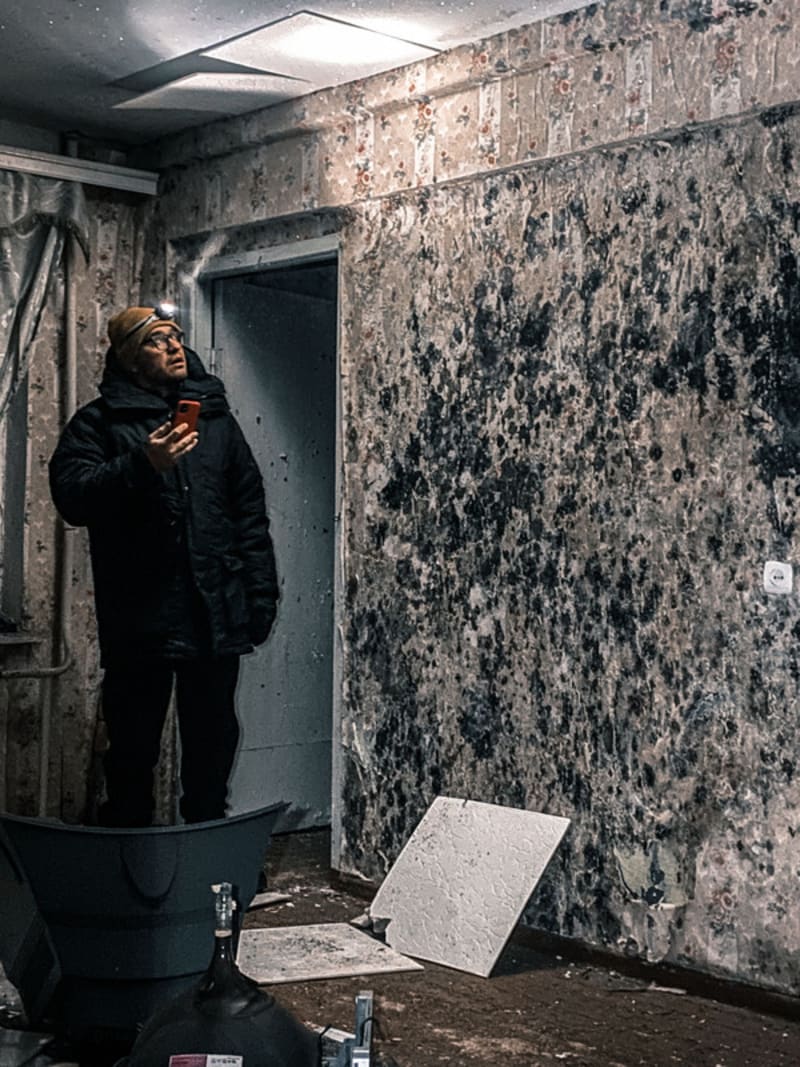
The Timeline: How Fast Water Damage Becomes Mold
When discussing water damage vs mold, timing is everything. How long before water damage causes mold depends on conditions, but the window is short. Here's the timeline of how water damage and mold progress together:
| Timeframe | What's Happening |
|---|---|
| Hour 1–2 | Water spreads into flooring, drywall, and furniture. Extraction alone can still save most materials. |
| Hour 24 | Drywall and wood begin to swell. Odor starts to develop as materials stay saturated. |
| Hour 24–48 | Conditions become ideal for mold spores to begin colonizing, especially in wall cavities and under flooring where airflow is poor. This is when water damage vs black mold becomes a real concern. |
| Day 3–7+ | Visible mold growth is likely if the area wasn't fully dried. What could have been a drying job is now a remediation job. Mold from water damage is now established. |
The window to prevent mold after a water event is roughly the first 24 to 48 hours. If you're dealing with active water damage right now, see our water damage restoration page for 24/7 emergency response. Understanding the water damage vs mold timeline can save you thousands in remediation costs.
Signs Water Damage Has Already Turned Into Mold
Not every water event gets caught in time. If any of these apply to a past leak, flood, or spill in your home, mold may already be present even if you can't see it. These are key signs that water damage and mold have become a combined problem:
- A musty smell that wasn't there before, especially in a basement, closet, or around a wall that was previously wet. This is often the first sign of mold from water damage.
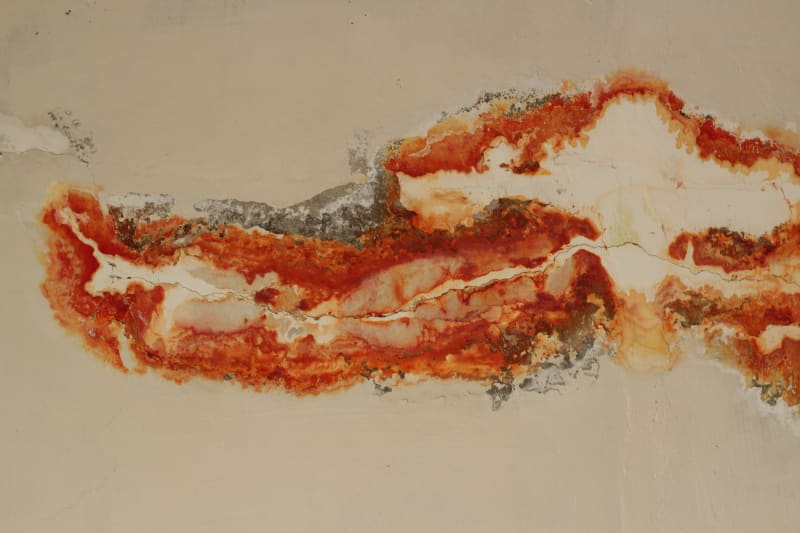
- Discoloration on drywall, baseboards, or ceilings in an area that experienced water intrusion, even if it happened months ago.
- Warped or soft flooring near a past leak location, which suggests moisture is still trapped underneath.
- Increased allergy or respiratory symptoms that seem tied to being in a specific room or area of the house.
- A water event that was never professionally dried, only mopped up or left to air dry on its own. This is the most common way water damage vs mold becomes a problem.
Do You Need Water Damage Restoration, Mold Remediation, or Both?
Understanding the water damage vs mold distinction helps you know what service you need. Here's a quick guide to determine if you need restoration, remediation, or both:
| Situation | What You Likely Need |
|---|---|
| Water event just happened, materials are still wet | Water damage restoration: extraction and structural drying, ideally within hours. |
| Water event was weeks or months ago, never professionally dried | Likely both: an inspection to check for existing mold, plus remediation if it's found. Water damage and mold often require both services. |
| Musty smell or visible growth, no known recent water event | Mold remediation: testing to find the moisture source, then removal. This is classic mold from water damage that went undetected. |
| Ongoing leak with visible mold nearby | Both, simultaneously: stopping and drying the source while removing existing growth. Water damage vs mold requires addressing both sides. |
Why One Team Handling Both Matters
When water damage restoration and mold remediation are handled by two different companies, information gets lost between them. The restoration company may not flag which areas stayed damp longest. The mold company may not know the full history of what got wet, when, and how it was treated. One team handling both means the person drying your basement today is the same person who'll check it for mold growth next week if anything was missed, using the same moisture readings and the same understanding of what actually happened. This is why addressing water damage and mold as a single, integrated problem produces better outcomes.

How to Break the Cycle
- Treat every water event as urgent, even a small one. The 24 to 48 hour window matters more than the size of the spill. This is the key to preventing mold from water damage.
- Always dry with equipment, not just towels and time. Air drying often leaves moisture trapped in subflooring and wall cavities. Professional equipment is essential to stop water damage and mold from becoming a combined problem.
- Get a moisture check after any past water event you're not fully confident was dried properly, even if it was months ago. This can reveal hidden mold from water damage before it becomes visible.
- Choose a team that does both services, so nothing gets lost in a handoff between two different companies. Understanding water damage vs mold is easier when one team handles both.
Frequently Asked Questions
Does all water damage lead to mold?
Not always, but the risk is high if materials aren't fully dried within 24 to 48 hours. Fast extraction and structural drying are what prevent water damage vs mold from becoming a problem. Professional restoration is key to stopping mold from water damage before it starts.
How long after water damage does mold start growing?
Mold can begin growing in as little as 24 to 48 hours after materials get wet, especially in warm, humid conditions or areas with poor airflow like basements and wall cavities. This is why understanding water damage and mold timing is critical for homeowners.
Do I need water damage restoration and mold remediation, or just one?
If the water event was recent and materials are still wet, you need water damage restoration first. If mold has already started, you likely need both: extraction and drying to stop the source, and remediation to remove what's already growing. Water damage and mold are often the same problem at different stages.
What are the signs that water damage has turned into mold?
Signs include a musty smell, discoloration on drywall or baseboards, warped or soft flooring, and increased allergy symptoms. If you notice any of these after a water event, mold may already be present. Professional inspection can confirm if mold from water damage is hiding behind walls.
Can I just dry water damage myself and avoid mold?
Air drying alone often leaves moisture trapped in subflooring, wall cavities, and insulation. Professional equipment like air movers and dehumidifiers is needed to fully dry structural materials. Understanding the water damage vs mold difference helps you know when to call a professional.
Not Sure Which One You Need? We'll Tell You Honestly.
One call gets you a clear answer, and a team certified to handle whichever one it turns out to be. Whether it's water damage vs mold or both, we'll help you understand what's happening in your home.
📞 Call (833) 901-2472Prefer email? Reach us at [email protected]