.jpg)
How to Identify Black Mold in Your Home (And What to Do Next)
"Black mold" gets used as a catch-all term, but not everything black or dark-colored growing in your home is actually the mold people mean when they say that. Here's how to tell the difference, what the real health risks are, and what to do if you think you've found it.
What "Black Mold" Actually Means
When most people say black mold, they're referring to Stachybotrys chartarum, a specific mold species that's gotten a lot of attention for the health effects associated with prolonged exposure. But color alone doesn't confirm the species. Several common, far less concerning molds also appear black, dark green, or nearly black in low light, which means a visual ID from a photo or a quick look isn't reliable on its own.
Stachybotrys tends to have a slightly slimy or wet-looking texture when actively growing, and it typically appears on materials that have experienced prolonged moisture exposure, like water-damaged drywall, wood, or paper-backed insulation. But that description overlaps with other mold species too, which is exactly why lab testing exists.
Visual identification can give you a strong hint, but a certified inspection with lab sampling is the only way to confirm you're actually dealing with Stachybotrys and not a different, less concerning species.
Where Black Mold Typically Shows Up
| Location | Why It's Common There |
|---|---|
| Basements | Below-grade moisture and poor airflow create ideal conditions, especially after past flooding that wasn't fully dried. |
| Bathroom walls & ceilings | Consistent humidity from showers combined with poor ventilation. |
| Around windows | Condensation buildup, especially on older or poorly sealed windows during Wisconsin winters. |
| Behind drywall from a past leak | Water damage that was dried on the surface but left moisture trapped inside the wall cavity. |
| Attics with roof leaks | Slow leaks that go unnoticed for months, often first spotted as a ceiling stain. |
.jpg)
Health Symptoms Linked to Black Mold Exposure
Reactions vary a lot from person to person, and children, older adults, and anyone with asthma or existing respiratory conditions tend to be more sensitive. Commonly reported symptoms include:
- Coughing and throat irritation that seems to improve when you're away from the house.
- Headaches and fatigue without another clear explanation.
- Worsened allergy or asthma symptoms, particularly noticeable in a specific room.
- Sinus congestion or irritation that doesn't respond to typical allergy treatment.
- Skin irritation in cases of direct contact with an affected surface.
None of these symptoms are exclusive to black mold specifically, which is another reason testing matters more than guessing based on symptoms alone.
What To Do If You Think You've Found It
- Don't disturb it. Scrubbing, spraying, or otherwise agitating mold can release spores into the air and spread the problem.
- Don't rely on a store-bought test kit alone. These can detect spore presence but generally can't reliably identify the specific species.
- Limit access to the area until it's been assessed, especially for household members with respiratory sensitivities.
- Get a certified inspection with lab sampling to confirm what you're actually dealing with before deciding on next steps.
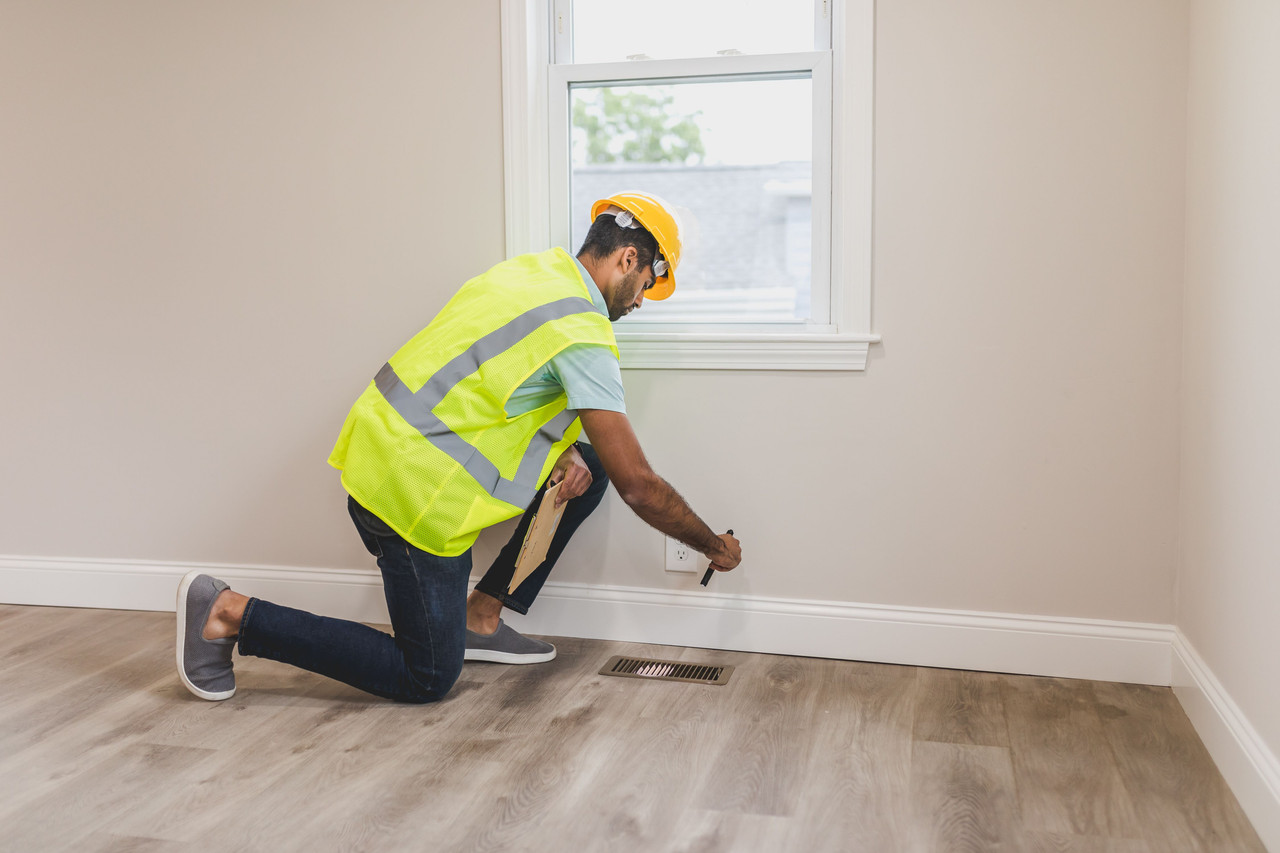
If you're seeing signs of black mold, our certified technicians handle testing, containment, and safe removal with a third-party clearance test at the end. See our mold remediation services for the full process.
Why It's Worth Getting Right The First Time
Improper handling, like disturbing mold before it's properly contained, can actually make a small, isolated problem worse by spreading spores into previously unaffected areas of the home. That's true whether the mold turns out to be Stachybotrys or a more common, less concerning species. Correct containment matters regardless of which one you're dealing with, which is exactly why identification and remediation are handled by the same certified team rather than guesswork followed by DIY cleanup.
Frequently Asked Questions
Is all black-colored mold toxic?
No. Many common, less harmful mold species also appear black or dark green. The color alone doesn't confirm the species, which is why lab testing is the only reliable way to identify Stachybotrys, the mold typically referred to as toxic black mold.
What health symptoms are linked to black mold exposure?
Commonly reported symptoms include respiratory irritation, coughing, headaches, fatigue, and worsened allergy or asthma symptoms, particularly in children, older adults, and people with existing respiratory conditions.
Can I test for black mold myself?
Store-bought test kits can detect the presence of mold spores but generally can't reliably identify the specific species. A certified inspection with lab sampling is the more reliable way to confirm whether black mold is present.

Think You've Found Black Mold? Get A Certified Answer.
Skip the guessing. One call gets you a certified inspection and a straight answer about what you're actually dealing with.
📞 Call (833) 901-2472Prefer email? Reach us at zakarove535@gmail.com