Basement Flooding and Mold Risk in Green Bay Homes
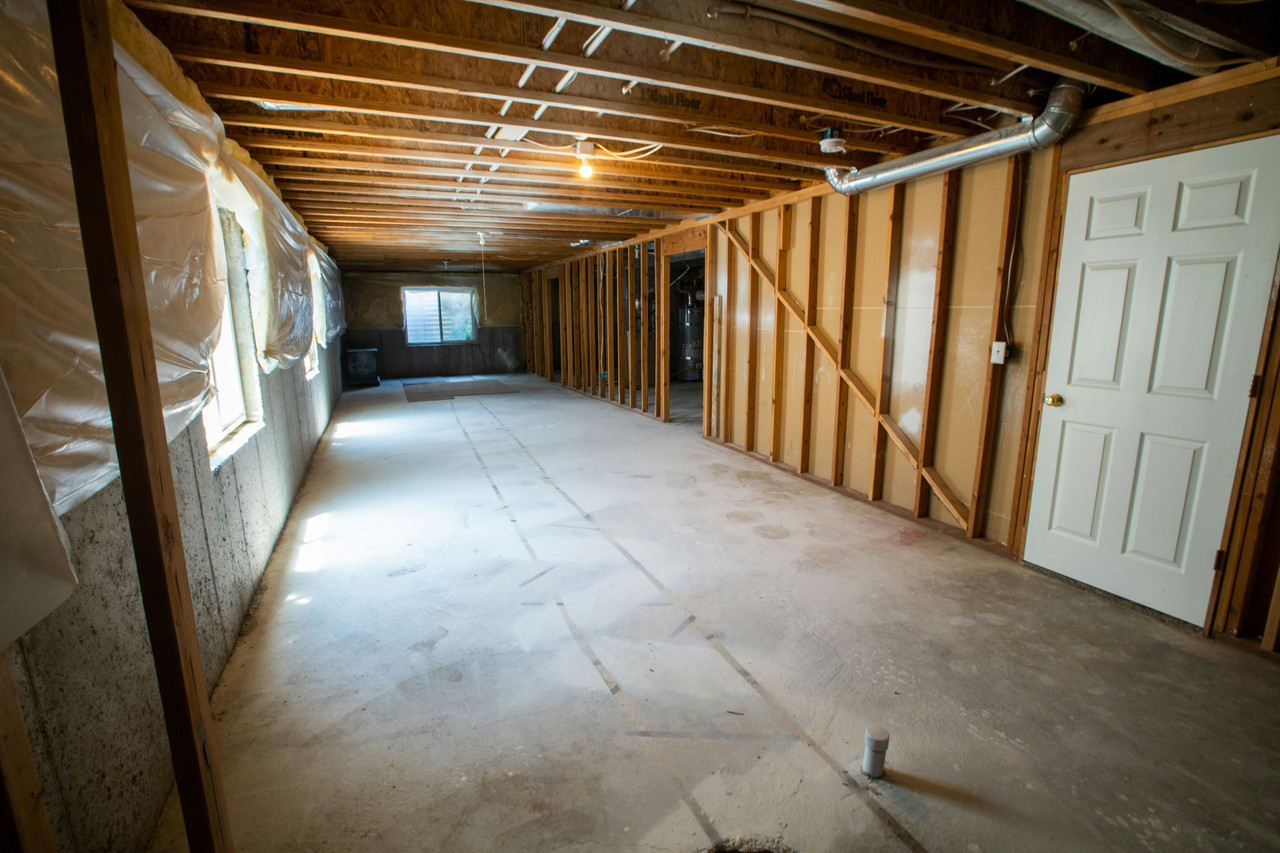
If you've ever wondered why the basement always seems to be where mold shows up first, there's a real reason. Basements face more moisture pressure than any other part of a Green Bay home, and that pressure is exactly what turns a small flooding issue into a mold problem.
Why Basements Are Different
Every other room in your house sits above grade, surrounded by air. A basement sits below grade, surrounded by soil, which means it's in constant contact with groundwater instead of just dealing with rain that runs off. Add Wisconsin's clay-heavy soil, which drains slowly and holds water against foundation walls longer than sandier soil would, and you've got a room that's structurally more exposed to moisture than anywhere else in the house, even before a single mechanical system fails.
Then there's the mechanical piece. Most basements depend on a sump pump to actively remove groundwater, which means basement dryness isn't passive, it's dependent on a machine working correctly during exactly the moment it's needed most, like a power outage during a heavy storm.
What Actually Causes Basement Flooding
| Cause | Why It Happens |
|---|---|
| Sump pump failure | Power outages, pump age, or a stuck float switch, often during the exact storm that needed it most. |
| Foundation cracks | Settling and freeze-thaw cycles common in Wisconsin winters create small cracks that let groundwater seep in over time. |
| Poor exterior grading | Ground that slopes toward the house instead of away sends rainwater and snowmelt directly at the foundation. |
| Window well leaks | Basement window wells without proper covers or drainage collect water that eventually finds its way inside. |
| Sewer or drain backup | Heavy rain can overwhelm municipal systems, pushing water back up through basement floor drains. |
| High seasonal water table | Spring thaw and heavy rain periods raise groundwater levels enough to pressure basement walls even without a specific failure. |
Why Basement Flooding Turns Into Mold So Often
Basements have three things working against them once water gets in: poor airflow, limited natural light, and, in finished basements, materials like carpet and drywall that hold moisture instead of shedding it. Mold can begin developing within 24 to 48 hours of a wet basement, and in a space with minimal ventilation, that timeline can move even faster. We cover the full mechanics of that timeline in how water damage turns into mold, but the short version for basements specifically: what would be a quick fix in a well-ventilated upstairs room becomes a much bigger risk below grade.
Dealing with an active basement flood right now? See our first 24 hours guide and our water damage restoration page for 24/7 emergency response.
Signs Your Basement May Already Have Mold
- A musty smell, even if you can't see any visible growth, especially near walls, behind stored items, or around the sump pit.
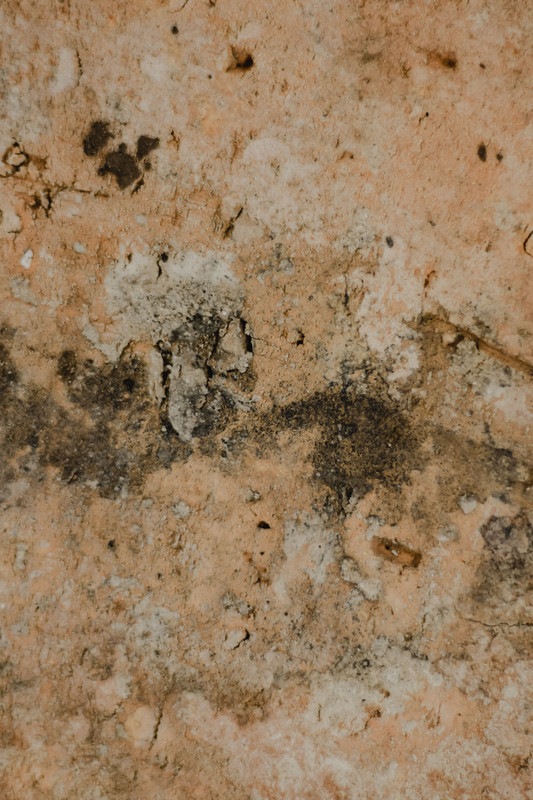
- Discoloration on drywall or wood framing, particularly along the bottom few feet of a wall where past flooding would have reached.
- A history of basement moisture that was mopped up or dried on its own, without professional extraction or drying equipment.
- Condensation on pipes or cool surfaces, which signals humidity levels high enough to support mold growth even without an active leak.
Reducing Basement Flooding Risk
Frequently Asked Questions
Why do basements flood more than other parts of a Green Bay home?
Basements sit below grade, which means they're surrounded by soil that holds and directs groundwater toward the foundation. Combined with Wisconsin's clay-heavy soil, seasonal water table changes, and reliance on mechanical systems like sump pumps, basements face more moisture pressure than any other part of the house.
Is a little bit of basement flooding a big deal?
Even minor, recurring basement moisture can lead to mold over time, especially in finished basements with carpet, drywall, or stored belongings. A small amount of water that keeps happening is often more concerning than a single larger event that gets fully dried.
How can I tell if my basement already has mold from past flooding?
A musty smell, discoloration on walls or baseboards, or a history of water events that were never professionally dried are all signs mold may already be present, even if you can't see it directly.
.jpg)
Worried About Your Basement? Let's Take A Look.
Whether it's an active flood or a musty smell you can't quite place, one call gets you a straight answer.
📞 Call (833) 901-2472Prefer email? Reach us at zakarove535@gmail.com