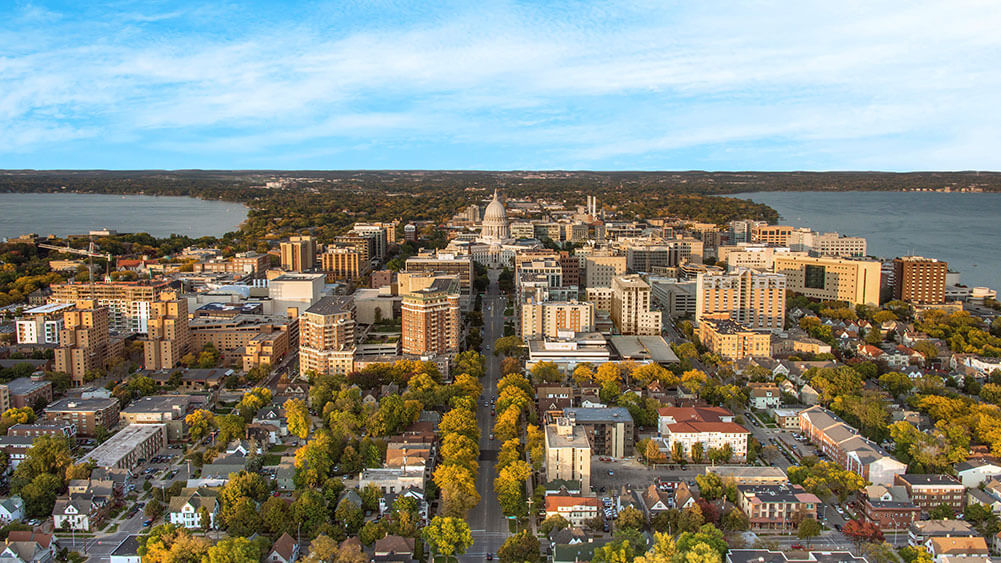
A city built on a lake-lined isthmus
Madison's moisture problem starts with the land itself. The downtown and the UW campus sit on an isthmus — a narrow strip of land with Lake Mendota on one side and Lake Monona on the other. The water table under the Isthmus sits higher than most of Wisconsin's inland cities, and basements built between the 1890s and the 1950s rarely had the waterproofing to handle it. That's why homes around the Capitol, the Vilas neighborhood, and the Tenney-Lapham blocks deal with basement seepage and lower-level humidity that seem to show up on their own, without any obvious leak.
Then there's the student rental market. UW-Madison's student population pushes 50,000, and the neighborhoods immediately around campus — Vilas, Mifflin, Bassett, and the Langdon Street area — are almost entirely rental. Leases run August to August, and the summer gap is exactly when a slow leak behind a wall or a failed sump goes unnoticed. By the time the next tenant moves in and calls the landlord about a smell, mold has been feeding for weeks. Property managers and landlords are some of our most regular Madison clients — we schedule around their lease dates, not the other way around.
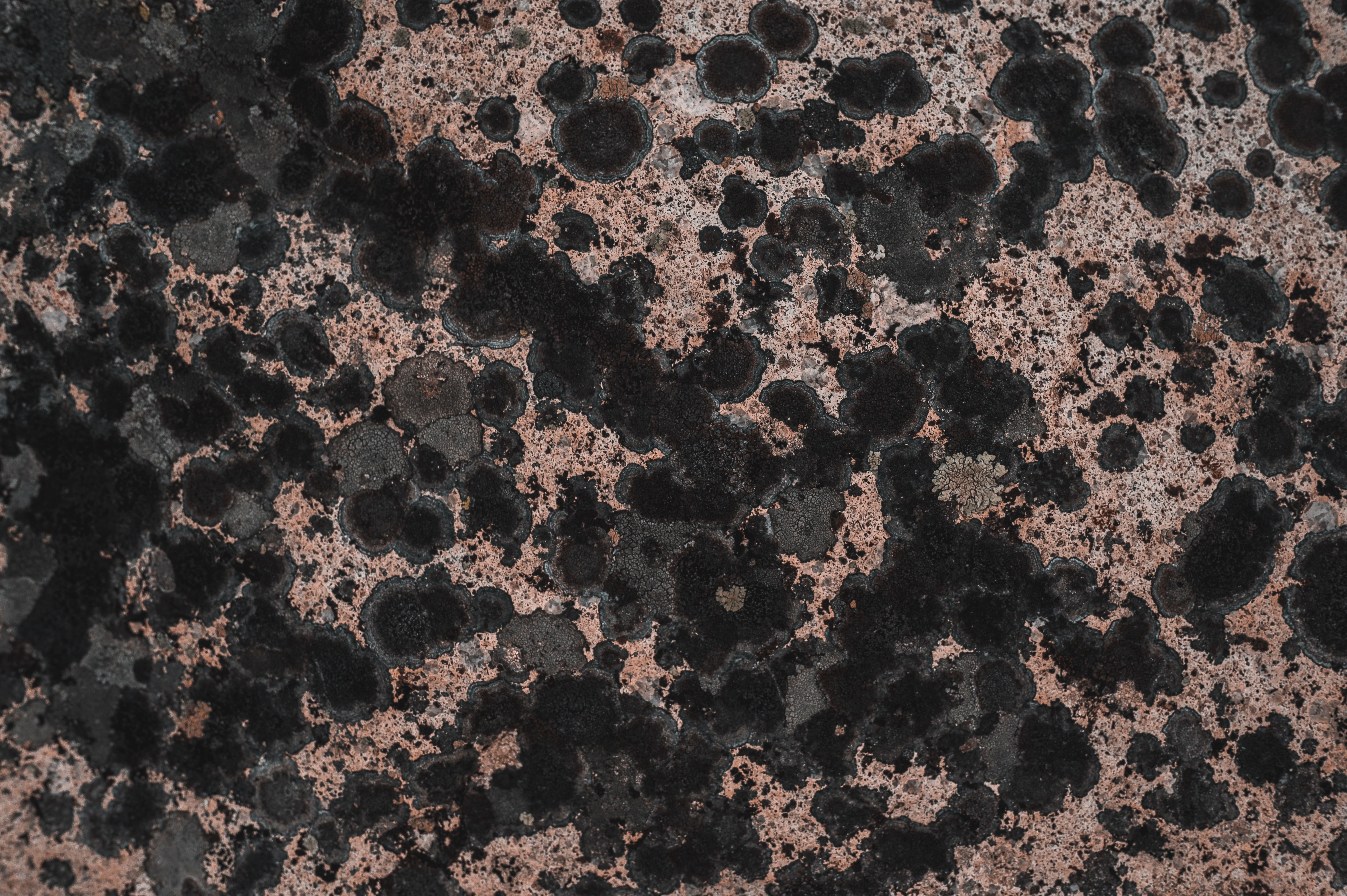
Common causes we see in Madison

- Isthmus water table pressure: The downtown blocks and UW campus sit between Lake Mendota and Lake Monona, and the water table under that narrow strip stays high year-round. Basement seepage in older buildings there is the rule, not the exception.
- Lake Mendota and Monona high-water cycles: During wet years, both lakes rise and stay high for months. Lakeshore properties on Mendota, Monona, and Wingra see groundwater pressure that inland Madison homes never do.
- UW-Madison student rental turnover: August lease changes mean a summer's worth of slow leaks go unnoticed. Dishwashers that quit in June, toilets that run silent, and sumps that fail in July — none of it gets caught until the next tenant moves in.
- Turn-of-the-century housing stock: Homes around the Capitol, Willy Street, and the Vilas neighborhood were built between 1890 and 1930. Original clay sewer laterals, plaster walls, and gravity-fed plumbing all create recurring moisture paths that newer construction simply doesn't have.
- Below-grade units in older duplexes: The Marquette and Tenney-Lapham neighborhoods have many converted lower units that sit at or below grade. They trap moisture against the slab and are the first place mold establishes after any water event.
- Cold-snap pipe bursts: Madison gets stretches of single-digit temperatures every winter. Pipes in exterior walls and unheated basements burst when they freeze, releasing water into a below-grade unit that was already prone to moisture.
Our full-service restoration in Madison
We provide complete restoration company madison wi services, covering everything from emergency water extraction to mold clearance, fire damage repair, and leak detection. Every job follows IICRC S520 standards and ends with a third-party clearance test — critical for landlords and property managers who need documentation for tenants and insurers.
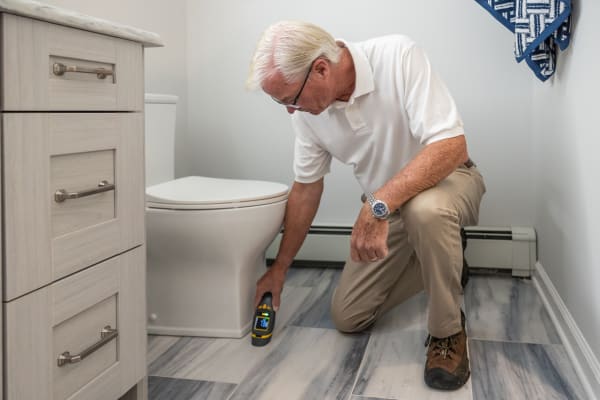
Mold remediation & removal
Full remediation across Madison's historic housing stock: certified inspection, air and surface sampling, physical containment, HEPA scrubbing, and EPA-registered antimicrobial treatment. Trusted mold removal madison wi by homeowners, landlords, and UW-adjacent property managers.
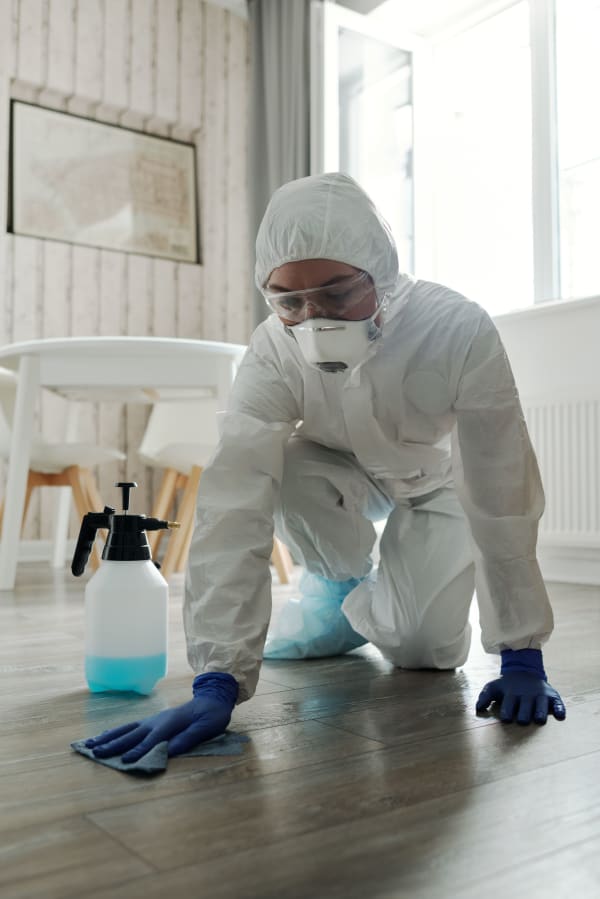
Water & frozen pipe restoration
24/7 emergency water extraction, structural drying, and water damage cleanup madison wi for frozen pipe bursts, lakefront flooding, and Isthmus basement seepage. We also handle flood damage restoration madison wi after heavy rain and lake high-water events.
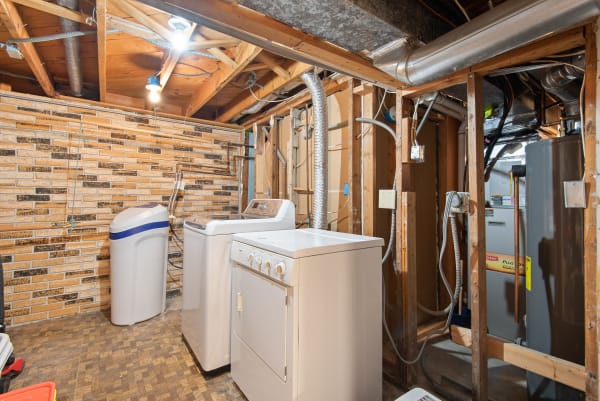
Student rental & below-grade units
Our most-requested Madison service: complete student rental mold remediation madison wi including subfloor removal, joist treatment, vapor barriers, and clearance testing. Documented for property managers, landlords, and tenants.
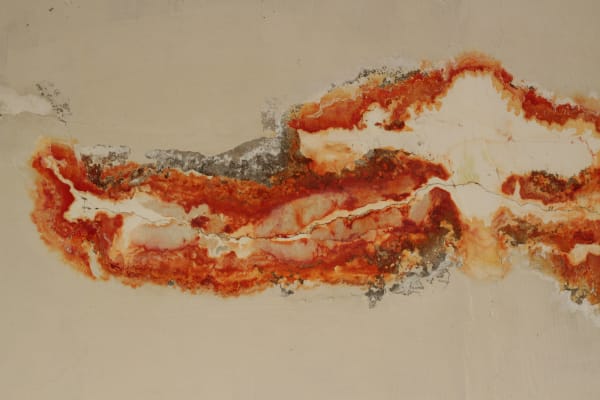
Multi-family & commercial
Specialized emergency restoration services madison wi for duplexes, apartment buildings, university-area rental portfolios, and downtown commercial properties — scheduled around tenant leases and business hours.
Leak detection, waterproofing & backflow testing in Madison
Leak detection
Hidden leaks behind plaster, under slabs, or in ceiling cavities can run for weeks before they show. We use thermal imaging and moisture mapping to find the source without unnecessary demolition. Leak detection madison property owners trust for accurate, non-destructive work.
Basement waterproofing
If your Isthmus or lakeshore basement floods every spring, it needs a permanent fix. We offer interior and exterior waterproofing madison wi solutions including french drains, sump systems, foundation sealing, and vapor barriers.
Backflow testing & repair
Multi-family buildings and downtown commercial properties in Madison require regular backflow testing madison to prevent contaminated water from entering the clean supply. We provide testing, certification, and repairs.
Crawl space encapsulation
Moisture in crawl spaces leads to mold, wood rot, and poor indoor air quality — especially in Madison's pre-war housing stock. Our crawl space repair services include vapor barriers, drainage, insulation, and structural reinforcement.
A proven path from inspection to clearance
Every Madison project follows the same certified process, whether it's a student rental near campus, a Capitol-area historic home, or a lakeshore property on Monona.
- Inspect & test: We identify every moisture source, factoring in whether the property is on the Isthmus, near the lakeshore, in a student rental zone, or in a below-grade unit.
- Contain & extract: Physical barriers and negative air pressure stop spores from spreading, while standing water is removed immediately on any water event.
- Remove, dry & treat: Affected materials are safely removed, structures are fully dried with commercial equipment, and remaining surfaces are cleaned with EPA-registered antimicrobials.
- Verify & guarantee: A third-party clearance test confirms your Madison property is mold-free and dry, backed by our written guarantee and a clearance report that works for property managers, landlords, tenants, and insurers.

What Madison says
“We manage 22 units near the UW campus and August turnover is chaos. They handle the moisture issues every summer without us having to chase them — they schedule around our lease dates and give us the clearance reports we need for the units.”S. Bergstrom · Property Manager, Vilas Neighborhood
“Our 1912 house near the Capitol had basement seepage we couldn't trace. They found the actual water table issue, did the remediation without tearing the whole place apart, and fixed the drainage so it hasn't come back.”J. Lindgren · Capitol Neighborhood, Madison
“Lake Mendota came up high in 2019 and flooded our crawl space. They were out within a day, dried everything, and set up a permanent sump system so we're ready for the next high-water year.”A. Halvorsen · Maple Bluff, Madison
Madison mold, water & flood damage questions
Do you serve Madison, WI?
Yes. Madison and the greater Dane County area are core service areas. We dispatch crews there daily for mold remediation, water damage restoration, and student rental property restoration. Call (833) 901-2472.
Why do Isthmus basements in Madison get so much moisture?
Madison's Isthmus sits between Lake Mendota and Lake Monona, and the water table there is naturally high. Downtown, the Capitol neighborhood, and the UW campus blocks all sit on that same narrow strip of land, so basements and lower-level units deal with groundwater pressure that homes further from the lakes simply don't see.
Do you handle UW-Madison student rental turnover?
Yes. Student rentals around the UW campus, the Vilas neighborhood, and the Mifflin Street area turn over every August, and each turnover is a chance for a leak to go unnoticed over the summer. We work directly with Madison property managers and landlords to schedule around lease dates.
Do you handle lakefront flood damage on Lake Mendota and Lake Monona?
Yes. During high-water years, lakeshore properties on Mendota, Monona, and Wingra see flooding that inland homes don't. We handle flood damage restoration, structural drying, and mold prevention after any lake event.
How fast can you respond to a water or mold emergency in Madison?
Madison is roughly 175 miles from our Green Bay base. Emergency water crews typically arrive within 3 to 3.5 hours; mold inspections are usually scheduled within 24 to 48 hours.
Do you work with homeowners and property managers insurance for Madison claims?
Yes. We document damage with photos and moisture readings throughout every job and coordinate directly with insurance adjusters — including flood claims, sewer backup claims, and student rental turnover restoration.
Nearby areas we also serve
Talk to a certified Madison restoration specialist today
One call gets you a clear plan and a team that already understands what Madison's Isthmus water table, Chain of Lakes, and student rental turnover actually require.
📞 Call (833) 901-2472Prefer email? Reach us at [email protected]